Winter short breaks work differently from summer ones.
The days are shorter. Light matters more. Comfort matters more. The structure of the stay carries greater weight because time outdoors may be limited.
Over two or three nights, winter breaks feel best when they are built around atmosphere rather than activity.
A calm winter short break is not about squeezing in attractions. It is about choosing the right base.
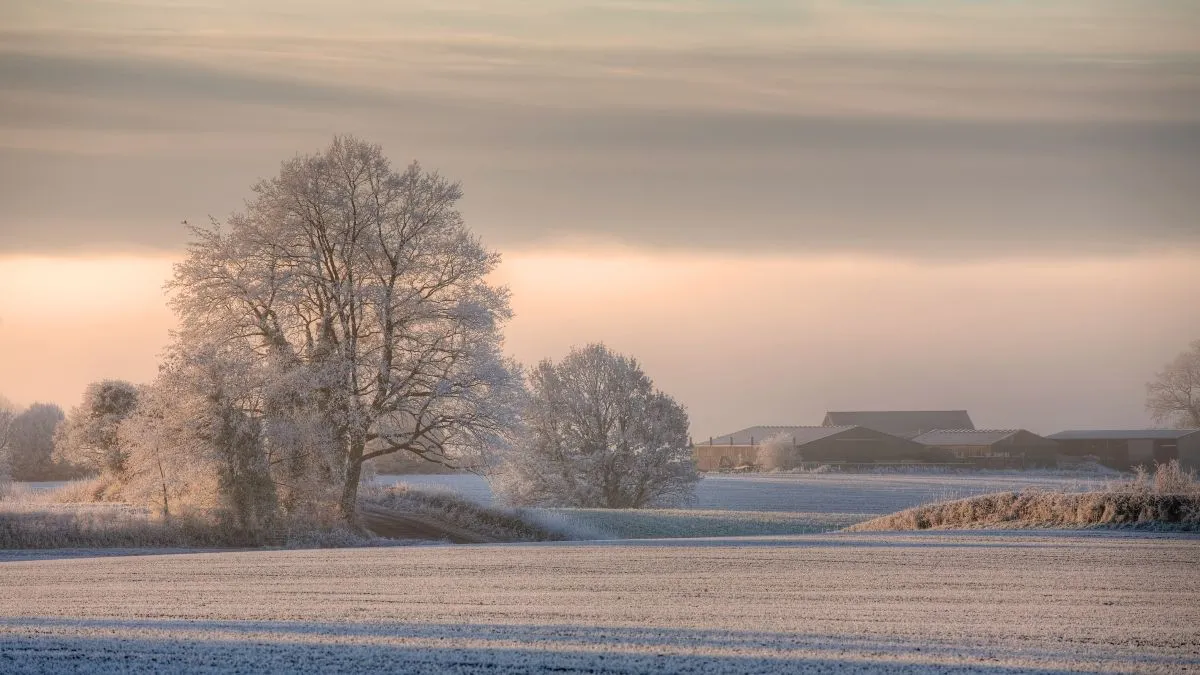
Why winter suits shorter stays
Winter lends itself naturally to 2-3 night escapes.
You arrive. You settle. You slow down.
There is less pressure to explore widely and more permission to stay close to where you are based.
This is one reason two or three nights can feel complete when the setting supports it.
Choose comfort first
In winter, accommodation matters more than itinerary.
Look for:
- Good heating
- Comfortable seating
- Soft lighting
- A sense of privacy
- Walks accessible without long drives
If the base feels warm and self-contained, the shorter daylight hours feel like an advantage rather than a limitation.
Coastal winter breaks
The coast in winter feels different.
Quieter beaches. Wider horizons. Fewer visitors.
Wind and weather can add atmosphere rather than detract from the stay.
Coastal areas that feel busy in summer often regain space and stillness in winter.
Midweek timing strengthens that effect, which is why midweek short breaks often feel more relaxed.
Countryside winter breaks
Countryside cottages suit winter particularly well.
Walks followed by warmth indoors.
Simple meals.
Evenings that begin earlier.
In these settings, overplanning rarely improves the experience.
This mirrors what makes a place good for a short break more generally.
Small towns and historic cities
Compact towns and smaller historic cities also work well in winter.
Short walking distances.
Independent cafés.
Contained layouts.
When everything sits within reach, limited daylight becomes less restrictive.
Distance and scale matter more in winter than in summer.
If you are exploring seasonal options, our 2-3 night escapes collection highlights well-located stays that work particularly well during colder months.
What to avoid
Large, spread-out destinations can feel harder in winter.
Long internal travel and weather-dependent attractions increase friction over a short stay.
Winter short breaks do not need to feel dramatic
The most successful winter stays are understated.
A slower pace.
A comfortable base.
A landscape that suits the season.
When chosen carefully, a winter short break can feel deeper and more restorative than a longer trip at a busier time of year.