A short break places more weight on where you stay.
When time is limited to two or three nights, the accommodation is not just somewhere to sleep. It becomes the anchor for the experience. The right base can make a short stay feel settled and complete. The wrong one can fragment it.
Choosing well is less about luxury and more about suitability.
Here are the types of accommodation that tend to work best for shorter stays.
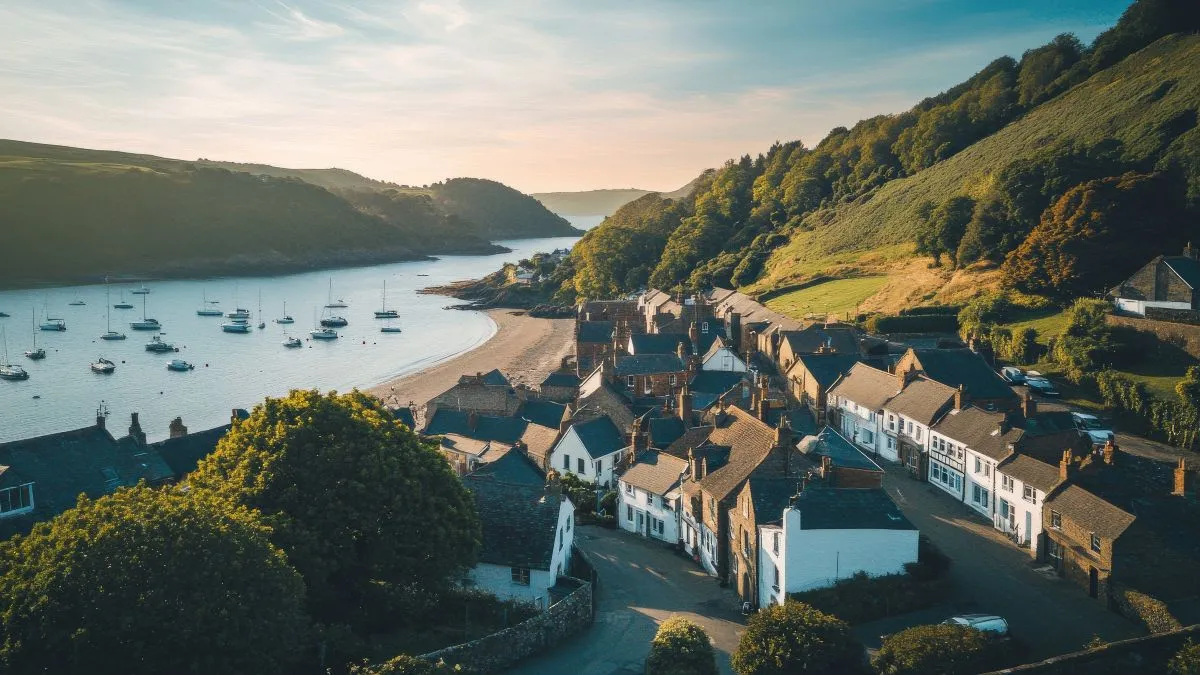
1. Self-Contained Cottages
Cottages often suit short breaks because they remove friction.
You arrive once. You unpack once. Everything you need is in one place.
For two or three nights, that simplicity matters more than shared facilities or large-scale amenities. A well-positioned cottage near walks, coast or village centres can carry much of the experience without requiring constant movement, particularly in places like Blakeney on the North Norfolk coast.
This is why many two or three night escapes work best with a single, well-chosen base.
Best for:
- Couples
- Small families
- Pet friendly trips
- Countryside or coastal settings
2. Cabins and Rural Retreats
Compact cabins, lodges and rural boltholes often work particularly well for short stays.
They tend to encourage slower rhythms. Less space can mean fewer decisions. Being slightly removed from busy areas often supports the pause that short breaks are designed to create.
For midweek stays especially, this type of accommodation can feel expansive relative to the time available.
They align naturally with midweek short breaks where quiet and space are part of the appeal.
Best for:
- Romantic stays
- Digital switch-off
- Nature-focused breaks
3. Coastal Apartments and Harbour Stays
Short breaks by the coast benefit from proximity.
An apartment within walking distance of the sea, cafés and harbour paths reduces internal travel. You can step outside and immediately begin the stay.
On a two night visit, that convenience can make the difference between feeling rushed and feeling relaxed.
Coastal bases often suit short stays because the environment itself provides structure: morning walks, evening light, nearby food.
Best for:
- Couples
- Weekend-length escapes
- Walkable towns
4. Compact Town and Small City Stays
Short city breaks work best when the location is compact and walkable.
Large urban centres can overwhelm a short stay. Smaller towns with concentrated centres allow you to explore without overplanning.
Accommodation near the centre reduces transport time and simplifies each day.
For short breaks within two hours of home, this type of base can feel refreshingly efficient.
Best for:
- Culture-led visits
- Food-focused trips
- One or two planned activities
5. Properties That Work Even If You Do Very Little
The most reliable short break accommodation shares one trait:
It still feels satisfying if plans change.
Weather shifts. Energy dips. A long lunch runs over.
If the property itself is pleasant to spend time in, the break remains intact.
That principle sits at the heart of choosing the right base for a short break. The location and setting carry more responsibility when time is limited.
What Matters More Than Category
Beyond type, the following factors tend to matter most:
- Ease of arrival
- Walkable surroundings
- Limited internal travel
- Clear purpose
- Flexibility
Short breaks reward simplicity.
When accommodation reduces movement and decision making, the stay feels longer than it is.
That is how two or three nights can still feel complete.
If you are shaping your next stay, start with the type of accommodation that supports the experience you want, rather than trying to replicate a longer holiday in less time.
Short breaks are not smaller versions of big trips. They are their own format. The right base simply allows that format to work.